
Boost Sales with Psychology: 3 Powerful Techniques
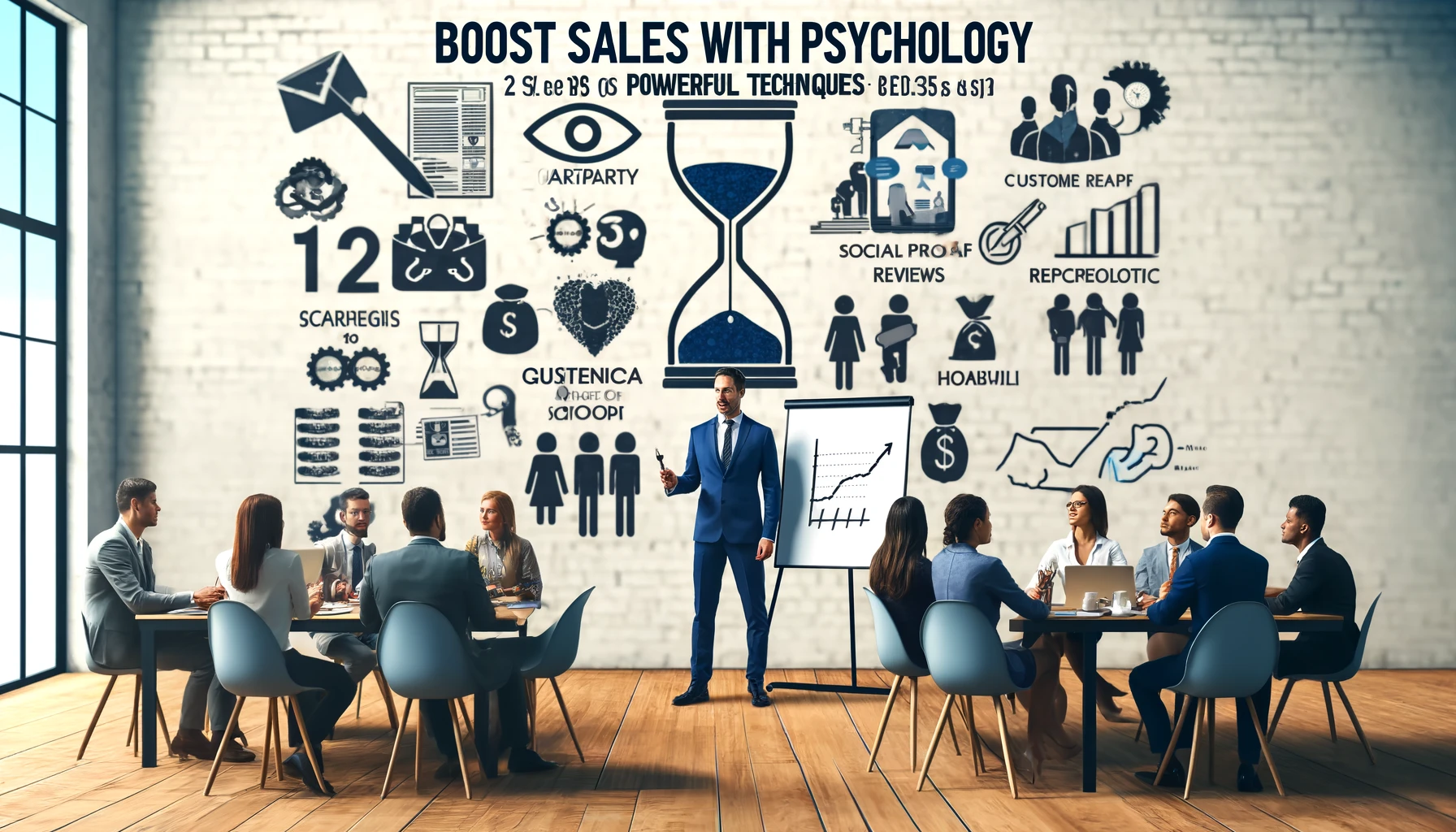
Harnessing the power of psychology to skyrocket your sales can be a game-changer for your business. By understanding and leveraging the fundamental principles of human behavior, you can effectively attract and convert leads, ultimately boosting your revenue. In this piece, we will explore three proven psychological techniques that can help you achieve these goals: giving gifts, identifying customer desires, and offering bounce back offers. These strategies, rooted in ethical persuasion and designed to build long-term customer relationships, will empower you to scale your business, increase market share, and foster repeat customers. Dive in to unlock the potential of psychology to increase sales and take your business to new heights.
Introduction to Psychology in Sales
Why Use Psychology to Increase Sales
Understanding psychology to increase sales is essential for any business aiming for growth. Human behavior drives purchasing decisions, and by tapping into these psychological triggers, businesses can more effectively convert leads to sales. Techniques like giving gifts, identifying customer desires, and offering bounce back offers are not just marketing gimmicks; they are rooted in principles of ethical persuasion. When used correctly, these methods build trust and foster long-term customer relationships, which are crucial for generating repeat customers. Furthermore, employing psychological strategies can streamline marketing efforts, making campaigns more efficient and impactful. For SMEs, where resources are often limited, leveraging psychology can provide a significant competitive edge. By integrating these techniques, businesses can create a more personalized and compelling customer experience, ultimately leading to higher sales and sustained growth.
The Role of Ethical Persuasion
Ethical persuasion is fundamental when employing psychological techniques to increase sales. Unlike manipulative tactics, ethical persuasion respects the customer's autonomy and builds genuine trust. By focusing on the customer's needs and desires, businesses can create more authentic connections. This approach leads to higher customer satisfaction and loyalty. For instance, giving gifts can be a powerful tool when done with sincerity, as it shows appreciation and fosters goodwill. Similarly, identifying customer desires allows businesses to tailor their offerings in a way that genuinely benefits the customer, rather than pushing unnecessary products or services. Offering bounce back offers can also be effective if they are designed to provide real value. Ethical persuasion aligns marketing techniques with the customer’s best interests, ensuring sustainable growth and a positive brand reputation. By prioritizing ethical persuasion, businesses not only boost book sales and convert leads to sales but also cultivate a loyal customer base.
Understanding Customer Behavior
Understanding customer behavior is crucial for leveraging psychology to increase sales. Customers' purchasing decisions are influenced by a variety of psychological factors, including emotions, social proof, and perceived value. By analyzing these behaviors, businesses can tailor their marketing techniques to more effectively meet customer needs. For instance, recognizing patterns in customer desires enables a company to align its product offerings and communication strategies accordingly. This targeted approach not only enhances the customer experience but also increases the likelihood of converting leads to sales. Moreover, understanding customer behavior helps in designing effective bounce back offers that encourage repeat purchases. By tapping into the underlying motivations and preferences of customers, businesses can create more compelling and personalized marketing campaigns. This deep understanding fosters stronger relationships and drives long-term loyalty, ultimately boosting sales and revenue.
Technique 1: The Power of Giving Gifts

Reciprocity and Customer Trust
The principle of reciprocity plays a significant role in building customer trust. When businesses give gifts, whether it’s a discount, a free sample, or a small token of appreciation, they trigger a psychological response in the recipient to return the favor. This act of goodwill fosters a sense of obligation and encourages customers to reciprocate by making a purchase or remaining loyal to the brand. Importantly, the gifts must be genuine and valuable to establish trust. Customers can easily distinguish between authentic gestures and superficial ones. Therefore, the key is to offer something that truly benefits the customer, thereby enhancing their overall experience. This strategy not only increases the likelihood of converting leads to sales but also strengthens the customer relationship. Over time, these positive interactions build a solid foundation of trust, promoting repeat customers and long-term loyalty. This, in turn, can significantly boost sales and contribute to sustainable business growth.
Building an Email List with Freebies
Offering freebies is a powerful strategy for building an email list, which is a vital asset for any business aiming to boost sales. By providing valuable content or products at no cost, you can entice potential customers to share their contact information. Freebies can range from downloadable e-books and guides to trial versions of your product or exclusive discount codes. When customers receive something of genuine value, they are more likely to engage with your brand and trust your offerings. This approach not only helps in expanding your email list but also sets the stage for future marketing efforts. With a robust email list, you can implement targeted campaigns, send personalized offers, and keep your audience informed about new products or promotions. This ongoing communication nurtures leads and increases the chances of converting them into paying customers. Ultimately, using freebies to build your email list leverages the power of giving gifts to drive long-term sales growth.
Examples of Effective Gifts
Effective gifts can vary widely depending on your industry and target audience, but the key is to offer something that provides real value. For instance, a software company might offer a free trial period for its premium service, allowing users to experience the product's full benefits before committing to a purchase. Retailers could provide exclusive discount codes or a free item with a purchase, enhancing the customer's shopping experience. E-commerce platforms might offer free shipping on first orders, making the initial buying decision easier for customers. Content creators and educators can distribute free e-books, guides, or access to a limited-time webinar, providing valuable knowledge while showcasing their expertise. Additionally, personalized gifts, such as a thank-you note with a small, branded item, can leave a lasting impression and foster customer loyalty. These examples demonstrate how thoughtful and relevant gifts can effectively attract, engage, and convert leads to sales, ultimately boosting revenue and customer retention.
Technique 2: Identifying Customer Desires

Researching Your Target Audience
Researching your target audience is crucial for identifying customer desires and tailoring your offerings accordingly. Start by gathering demographic information such as age, gender, location, and income level to understand who your customers are. Next, delve into psychographics, which include interests, values, lifestyles, and behaviors. This data can be collected through surveys, social media analytics, and customer feedback. Additionally, studying your competitors can provide insights into what resonates with a similar audience. Utilize tools like Google Analytics and customer relationship management (CRM) software to track and analyze customer interactions with your brand. By comprehending the motivations and preferences of your target audience, you can create products and marketing messages that align with their desires. This targeted approach not only enhances the effectiveness of your marketing techniques but also increases customer satisfaction and loyalty. Ultimately, understanding and meeting customer desires is a powerful strategy for converting leads to sales and sustaining business growth.
Tailoring Your Offerings
Once you've researched your target audience, the next step is tailoring your offerings to meet their specific desires. Start by aligning your products or services with the identified needs and preferences of your customers. This might involve tweaking existing offerings or developing new ones that better address their pain points. Personalization is key; consider creating tailored recommendations, exclusive deals, or custom bundles that resonate with individual customer segments. Additionally, your marketing messages should reflect the language and values that appeal to your audience, creating a more personalized and engaging experience. Utilize data analytics to continuously monitor customer feedback and behavior, allowing you to make informed adjustments to your offerings. By providing solutions that are highly relevant and valuable to your customers, you increase the likelihood of converting leads to sales. This strategic approach not only enhances customer satisfaction but also fosters long-term loyalty, driving repeat business and sustainable growth.
Presenting Solutions Clearly
Presenting solutions clearly is essential for effectively addressing customer desires and converting leads to sales. Start by articulating how your products or services solve specific problems faced by your target audience. Use straightforward, jargon-free language to ensure your message is easily understood. Highlight key benefits and features that align with the needs and preferences you've identified through your research. Visual aids such as infographics, videos, and high-quality images can also help illustrate your points more effectively. Additionally, customer testimonials and case studies can provide social proof, reinforcing the value of your offerings. Ensure that your calls to action are clear and compelling, guiding customers on the next steps to take. By presenting your solutions in a clear and concise manner, you make it easier for potential customers to see the value and relevance of your offerings, increasing the likelihood of making a purchase. This approach not only boosts sales but also enhances customer satisfaction and loyalty.
Technique 3: Bounce Back Offers

Encouraging Repeat Customers
Encouraging repeat customers is a crucial aspect of sustaining business growth, and bounce back offers are an effective strategy to achieve this. Bounce back offers are incentives provided to customers immediately after a purchase, encouraging them to return for another transaction. These can include discounts on their next purchase, a free item, or exclusive access to new products. The key is to create an offer that is both enticing and time-sensitive, prompting customers to act quickly. By rewarding customers for their loyalty, you not only make them feel valued but also increase the chances of them making repeat purchases. Additionally, personalized bounce back offers based on previous buying behavior can make the customer experience even more relevant and engaging. This approach not only boosts sales but also strengthens customer relationships, fostering long-term loyalty. Implementing bounce back offers effectively can turn one-time buyers into regular customers, significantly enhancing your revenue and market presence.
Examples of Effective Bounce Back Offers
Effective bounce back offers can take various forms, each designed to entice customers to return for another purchase. For instance, a retail store might provide a 10% discount coupon valid for the customer’s next visit within 30 days. This time-sensitive nature encourages prompt action. E-commerce platforms can offer free shipping on the next order or a discount on complementary products purchased together. Restaurants often use bounce back offers by giving diners a voucher for a free appetizer or dessert on their next visit. Service-based businesses, like salons, could offer a discount on future services booked within a specified period. Another powerful example is loyalty programs that reward customers with points for every purchase, which can be redeemed for discounts or free items. By tailoring these offers to the preferences and behaviors of your customers, you can effectively encourage repeat business, boosting both customer satisfaction and long-term revenue growth.
Measuring Effectiveness and ROI
Measuring the effectiveness and return on investment (ROI) of bounce back offers is essential to ensure their success and optimize future campaigns. Start by tracking key metrics such as redemption rates, repeat purchase rates, and customer lifetime value. These indicators provide insights into how well your bounce back offers are driving repeat business. Use customer relationship management (CRM) software to segment customers who received bounce back offers and compare their purchasing behavior with those who did not. Additionally, calculate the ROI by comparing the cost of the offers with the revenue generated from repeat purchases. Conducting surveys and gathering customer feedback can also help assess the perceived value of the offers. By analyzing this data, you can identify which types of offers are most effective and make necessary adjustments to enhance their impact. Regularly measuring and refining your strategy ensures that bounce back offers continue to contribute positively to your business growth and profitability.
Conclusion

Integrating These Techniques
Integrating these psychological techniques into your sales strategy can significantly enhance your business's growth and customer satisfaction. Start by incorporating the power of giving gifts to build reciprocity and trust with your audience. Next, invest time in researching and identifying customer desires to tailor your offerings and present solutions clearly. Lastly, use bounce back offers to encourage repeat customers and foster long-term loyalty. Each of these techniques, rooted in ethical persuasion, works synergistically to attract and retain customers more effectively. Utilize data analytics to track the impact of these methods and make informed adjustments. By systematically implementing and refining these strategies, you can convert leads to sales more efficiently, boost book sales, and ultimately drive sustainable business growth. Remember, the goal is to create genuine value for your customers, which will, in turn, yield lasting benefits for your business. Start integrating these techniques today to unlock the full potential of psychology to increase sales.
Long-term Benefits of Psychological Strategies
The long-term benefits of employing psychological strategies in your sales approach extend far beyond immediate revenue boosts. By focusing on building genuine trust and rapport with customers through ethical persuasion and tailored offerings, you lay the foundation for lasting customer relationships. This fosters brand loyalty, leading to repeat customers who not only make frequent purchases but also advocate for your brand, enhancing word-of-mouth marketing. Additionally, understanding and addressing customer desires elevates the overall customer experience, making your brand more memorable and preferred. Over time, these strategies contribute to a more robust and engaged customer base, which is crucial for sustainable growth. The insights gained from continuously monitoring and adjusting your approach based on customer behavior and feedback can also inform future product development and marketing techniques. Ultimately, integrating these psychological strategies into your business model ensures long-term stability, increased market share, and ongoing customer satisfaction.
Call to Action for Business Growth
Now is the time to harness the power of psychology to increase sales and drive your business forward. Start by implementing the strategies discussed: give thoughtful gifts to build reciprocity and trust, research and identify customer desires to tailor your offerings, and use bounce back offers to encourage repeat business. These steps are not just quick fixes but foundations for sustainable growth. Monitor your progress, analyze the effectiveness of each technique, and be ready to adapt based on your findings. Remember, the goal is to create genuine value for your customers, which will foster long-term loyalty and repeat sales. By integrating these psychological strategies, you can convert more leads to sales, boost book sales, and ultimately achieve a stronger market presence. Take action today to unlock the full potential of these techniques and watch your business reach new heights. Your journey to enhanced business growth and customer satisfaction starts now.
Take the Next Step in Your Entrepreneurial Journey
If you found this guide helpful and want to dive deeper into topics like fundraising, share issuance, incorporating your business, or preparing for an IPO, don't miss out on future insights and expert advice.
Join our email list to receive exclusive content tailored to empowering SMEs like yours. Stay ahead with the latest strategies in capital entrepreneurship and build a supportive community of like-minded business owners.
Follow us on our social media pages for daily tips, inspirational stories, and up-to-date industry news! Your growth is our mission.
Follow Us on Facebook: Facebook Page
Connect on LinkedIn: LinkedIn Profile
Follow Us on X (Twitter): Twitter Handle
Check Me out on Instagram:Instagram Profile
Listen to my Podcast on Spotify:Listen Here
Together, let's build your business to new heights with confidence and optimism!
Join My FREE Webinar:

Don't let uncertainty hold you back - Transform your entrepreneurial ideas into profitable reality!
Get the World’s Easiest All-In-One Marketing Platform

Host your websites, create sales funnels, send marketing emails, and more all under a single, easy-to-use platform. Best of all... It's FREE!

Are you planning to do fundraising for your business venture?
This Fundraising CRM will help you keep track of your fundraising rounds and investor details so that you maximize your chances of raising your target capital!
Easy to use and access anywhere via Google Sheets!
How-to-use tutorial with step-by-step instructions by Lou Beltran
Simple yet powerful! Never underestimate its simplicity.
We hate spam! Your details are 100% safe with us.
Copyright © 2023
LouBeltran.com &
Samvinna Management
All Rights Reserved
Let's Connect


itsreallyme@loubeltran.com
©LouBeltran.com. All Rights Reserved 2022. LouBeltran.com is a product of Samvinna Management. You should assume that products that I recommend (books, movies, etc.) This may result in compensation paid to me Lou Beltran by the sellers I recommend. If you would rather that I not be compensated for these recommendations, go to Google search for the item, and find a non-affiliate link to use. You should perform your own due diligence and use your own best judgment prior to making any investment decision. You are fully responsible for the purchases you make and any outcomes that may result from your purchase.